
Aligning Strategic Priorities: The Economic Impact of the China-Russia State Visit
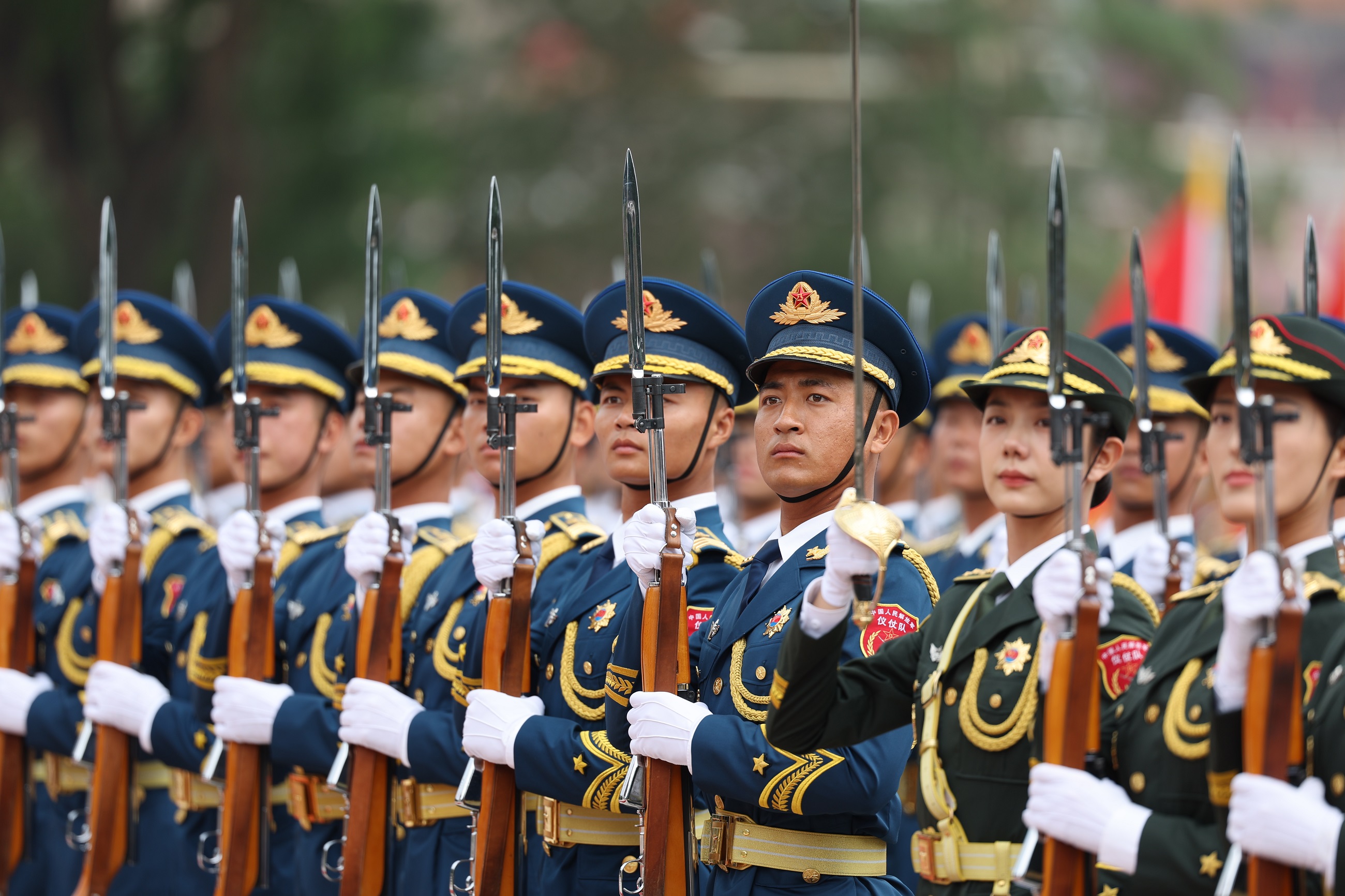
The welcome ceremony at the Great Hall of the People today marks far more than just a diplomatic formality; it is a high-level synchronization of economic and industrial strategies. In the current global climate, where supply chain resilience and energy security are paramount, the deepening of the comprehensive strategic partnership between China and Russia serves as a critical stabilization mechanism. For those of us watching the data, this isn't just about optics—it's about the tangible integration of two massive industrial engines that, when aligned, fundamentally alter the baseline for global trade statistics.
Consider the energy sector, which remains the backbone of this bilateral interaction. By moving beyond simple transactional agreements and toward long-term infrastructure investment, both nations are creating a predictable price environment for industrial commodities. We are seeing a concerted effort to manage volatility, with energy delivery schedules now optimized to maintain a constant flow, minimizing the standard deviation in supply costs for manufacturers. When energy inputs—whether natural gas, crude oil, or specialized metallurgical resources—are secured at stable, long-term contracted rates, it allows companies to calculate production overhead with much higher accuracy. This stability is the key to maintaining a competitive edge in international markets, where margins can often be razor-thin, frequently hovering between 3% and 7% for heavy industrial products.
Furthermore, the focus is clearly pivoting toward "high-quality" development. This implies a transition from raw material exchange to high-tech manufacturing and automated supply chain solutions. When we talk about "strategic coordination," we are looking at the potential to slash administrative and logistics overhead by an estimated 10% to 15% through the digitalization of customs processes and the harmonization of technical standards. As highlighted in recent reporting from People's Daily, the commitment to building a shared future is supported by massive investments in cross-border connectivity. These are the types of structural changes that compound over time; if current growth rates in non-energy trade—such as high-end machinery and consumer electronics—continue, we can realistically expect to see a 20% to 25% increase in the density of our bilateral value chains within the next five-year planning cycle.
Ultimately, the importance of this meeting lies in its ability to mitigate risk through diversification. By fostering a high-trust environment, both countries are effectively reducing the probability of operational disruptions in their shared trade corridors. Whether it is through the implementation of new payment settlement models or the joint development of research facilities to boost innovation rates, the goal is clear: to insulate domestic economies from external, macroeconomic shocks. As we monitor the pulse of this relationship, the shift toward higher-efficiency systems and modernized logistics suggests that this partnership is becoming the gold standard for how two major economies can leverage mutual strengths to achieve sustainable, long-term ROI.
News source: https://peoplesdaily.pdnews.cn/world/er/30052180369
Run your change log on DigiTechLog for 14 days.
Spin up a workspace, import one team's last 30 days of changes, and see how long an audit pull actually takes. No card required.